
Extensive anthropogenic activities have contributed to the decline of many native fishes and mussels across the Great Plains. Habitat alterations, such as overgrazing, water diversions, and groundwater depletion, can significantly impact stream ecosystems and their aquatic inhabitants. In response, habitat restoration projects are often used to improve conditions for aquatic species. However, to understand whether habitat restoration projects are effective, we first need to understand how different species interact with their environment. Identifying specific habitat characteristics associated with species presence is critical for guiding conservation strategies and ensuring that restoration projects achieve their goals.
Most existing knowledge about how fish respond to habitat restoration comes from studies focused on salmonids in coldwater systems. This knowledge may not translate well to the warmwater or intermittent streams of the Great Plains, where fish and mussels have different habitat needs and may behave differently throughout the year. As a result, we know little about how native prairie species use habitat in intermittent systems or if their habitat needs may change seasonally. Similarly, the responses of nongame fish and mussels to common restoration practices, such as livestock grazing exclusions, remain poorly understood.
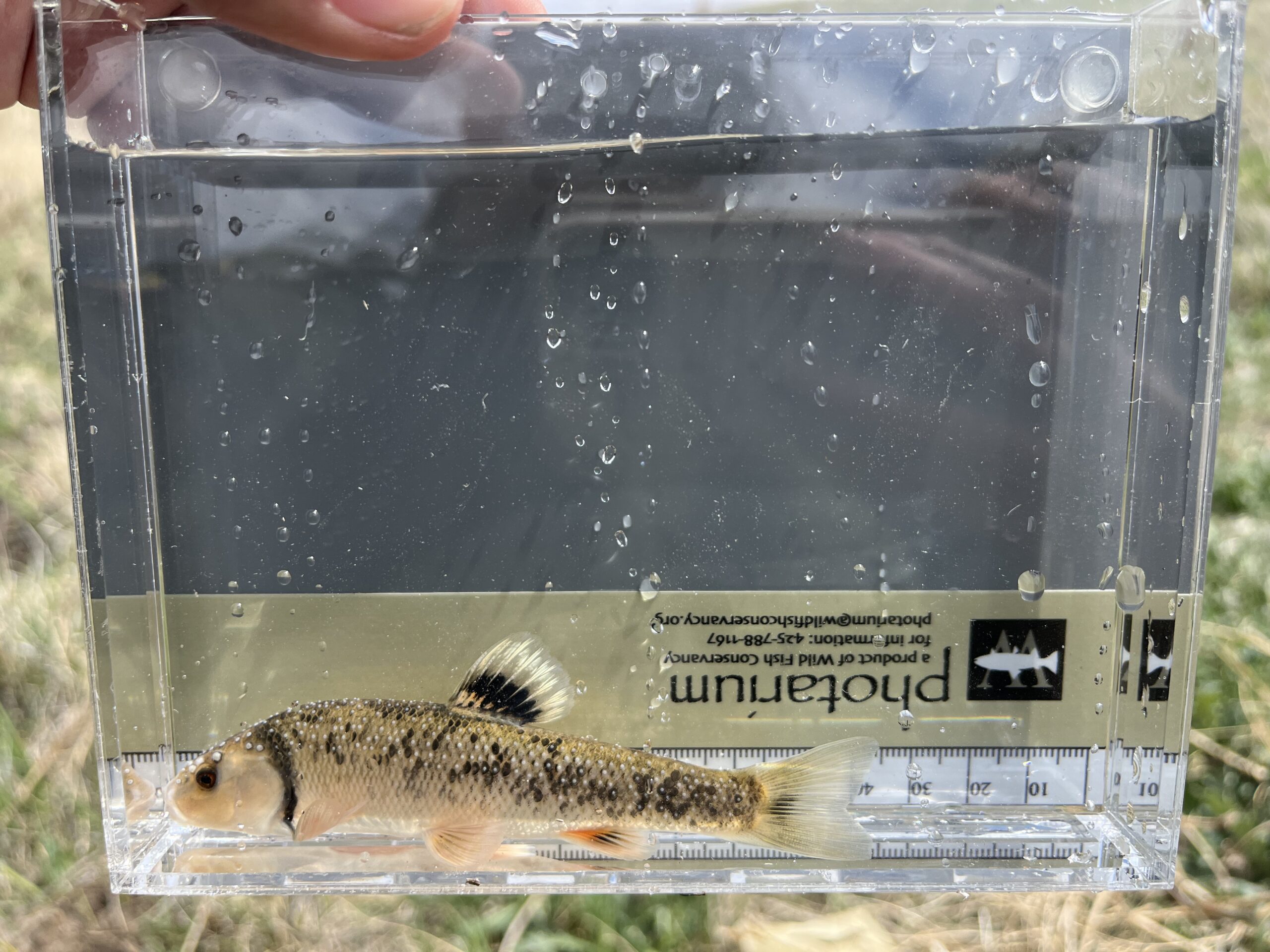
To address these knowledge gaps, our research will apply a riverscape approach to assess the distribution of fish and mussel species and habitat associations in lower Lodgepole Creek. The results will inform predictions about how proposed aquatic habitat projects may affect each species.
Our primary objectives are to:
- Identify the mesohabitat types used by each fish species and the associated habitat variables along the wetted length of lower Lodgepole Creek,
- Determine seasonal trends in fish mesohabitat use and their relationships with habitat variables,
- Identify the distribution and microhabitat associations for Cylindrical Papershell Mussel
The findings will help guide habitat restoration projects in prairie streams, support conservation efforts for Species of Greatest Conservation Need in Wyoming, and offer broader insights for managing aquatic habitats affected by agricultural practices across the Great Plains.
Contact
Kye Catlin, MS Student
Wyoming Cooperative Fish & Wildlife Research Unit
Department of Zoology & Physiology, University of Wyoming
Dept. 3166, 1000 E University Ave
Laramie, WY 82071
kcatlin1@uwyo.edu
Annika Walters, Assistant Unit Leader
U.S. Geological Survey,
Wyoming Cooperative Fish & Wildlife Research Unit
Department of Zoology & Physiology, University of Wyoming
Dept. 3166, 1000 E University Ave
Laramie, WY 82071
annika.walters@uwyo.edu
Funding and Partners
Wyoming Game and Fish Department